Trump Signals Openness to Iran Talks as Tehran Seeks New Deal
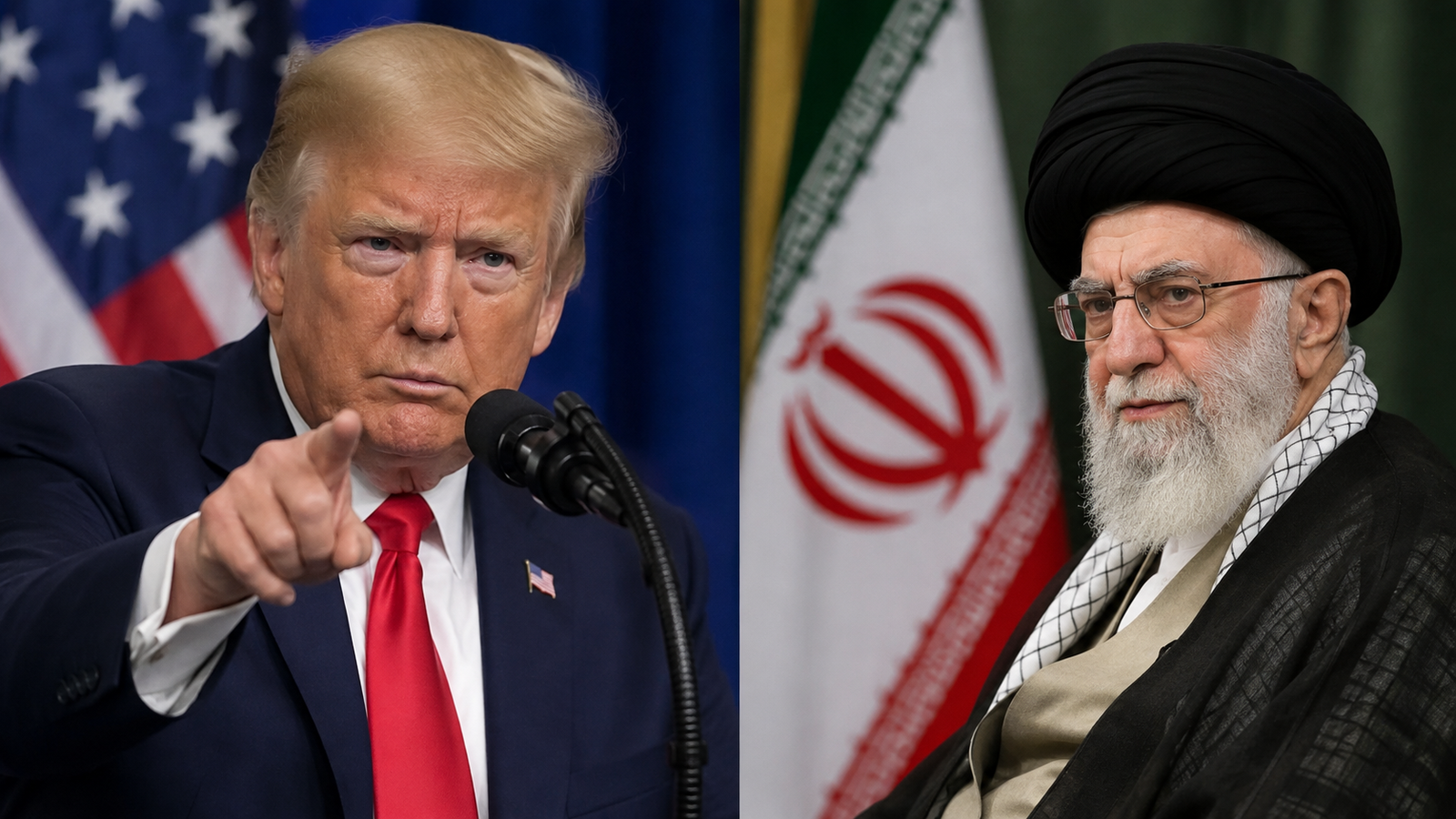
US President Donald Trump has signaled that Washington is open to possible negotiations with Iran, claiming that Tehran is eager to reach an agreement as tensions across the Middle East continue. On Monday, September 14, Trump said Iran wanted to make a deal “quickly and badly,” adding that he would decide whether the United States would engage in negotiations. He said Washington remained open to the idea of talks.
Trump Signals Possible Diplomatic Opening
Trump’s latest comments represent a possible diplomatic opening after weeks of tensions and uncertainty surrounding efforts to reach a broader agreement with Tehran.
The US president has repeatedly said in recent days that Iran wants negotiations. During a visit to Ireland, Trump told reporters that Tehran was seeking a deal but stressed that Washington would only accept an agreement it considered satisfactory. However, Trump’s latest statement does not mean that formal negotiations have begun or that a new agreement has been reached.
Iran Says It Is Ready for Dialogue
Iranian President Masoud Pezeshkian has also indicated that Tehran is willing to hold talks, including discussions related to its nuclear programme, but has attached conditions to renewed diplomacy. Pezeshkian said Iran was ready for dialogue within the framework of international law and the Nuclear Non-Proliferation Treaty. He called on Washington to lift sanctions, move away from unilateral pressure and stop negotiating “through force.”
The positions from both sides suggest that diplomatic channels remain possible, although major differences continue over sanctions, Iran’s nuclear programme and regional security.
Regional Tensions Remain High
The renewed talk of diplomacy comes at a tense moment in the Middle East. A planned meeting involving Gulf Arab states and Iran over the Strait of Hormuz was postponed amid growing regional tensions. The strategically important waterway remains a major concern because disruption there can affect global energy supplies and oil prices.
At the same time, Washington continues to apply economic pressure on Tehran. The United States has maintained sanctions and other measures aimed at restricting Iran’s access to international financial and oil markets.
What Happens Next?
Trump’s statement shows that the United States has not ruled out diplomacy with Iran, while Tehran has also publicly expressed willingness to negotiate under certain conditions.
For now, however, there is no confirmed new peace agreement between Washington and Tehran. Whether the latest signals lead to formal negotiations will depend on whether the two governments can overcome disagreements over sanctions, security arrangements, Iran’s nuclear activities and the wider conflict in the region.
With tensions around the Strait of Hormuz and other parts of the Middle East still high, any serious return to negotiations could have significant implications for regional stability as well as global energy markets.
Reader feedback
Sign in to join the discussion.