Gujrat Emerges as a Cleanliness Model Under Suthra Punjab Programme
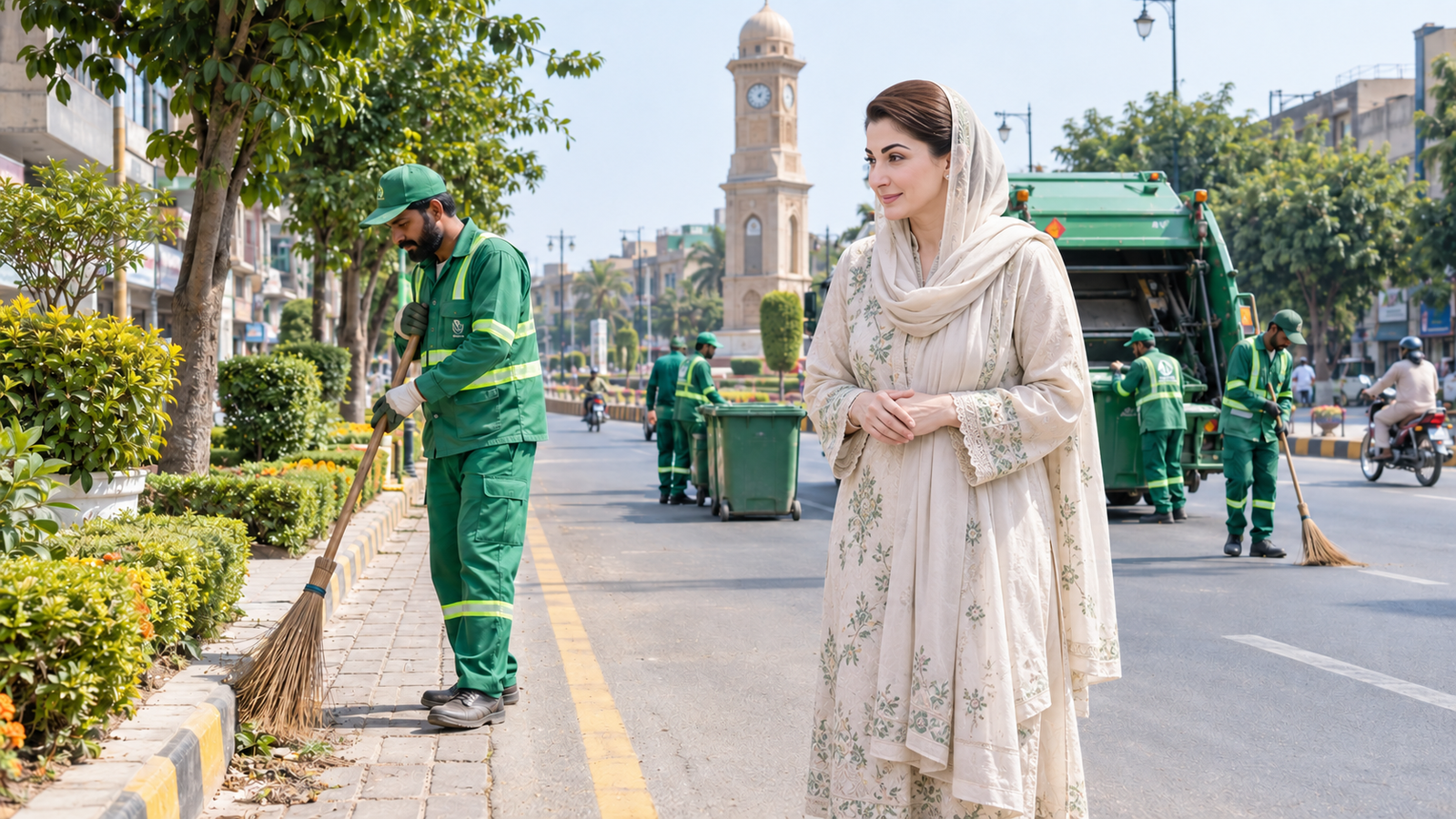
According to reporting on the programme’s local operations, more than 280,000 tonnes of solid waste have been collected, transported and disposed of in Gujrat since the initiative began in late 2024. Around 680 tonnes of waste are being lifted on an average day, highlighting the scale of sanitation operations across the tehsil.
Tehsil Gujrat is emerging as a notable example of the implementation of Punjab’s Suthra Punjab sanitation programme, combining large-scale waste collection, technology-based monitoring, manpower and repeated cleaning operations across urban and rural communities.
Thousands of Workers and Hundreds of Vehicles Deployed
Gujrat’s cleanliness operation is backed by considerable manpower and infrastructure.
Reported figures show that 2,873 sanitation personnel and 597 solid-waste management vehicles and machines are deployed across Tehsil Gujrat.
Supporting infrastructure includes 484 waste containers, six transfer stations, 56 waste enclosures, 704 hand carts and 1,350 waste bins. These resources allow sanitation teams to collect and transfer waste while maintaining routine cleaning services across different parts of the tehsil.
The programme is being implemented under the supervision of the district administration, while Managing Director Suthra Punjab Agency Gujrat Mujahid Abbas is overseeing service implementation on the ground.
Special Cleaning Drive Across 84 Union Councils
A new phase began on September 1, 2026, with the launch of a Special Cleaning Activity Drive carrying the message “Clean Gujrat — A Collective Commitment Towards a Cleaner, Healthier & Better Gujrat.”
The campaign covers all 84 union councils of Tehsil Gujrat, including 21 urban and 63 rural union councils.
Among the urban areas, 12 UCs fall under Municipal Corporation Gujrat, five under Municipal Corporation Jalalpur Jattan and four under Municipal Corporation Kunjah.
Teams are carrying out door-to-door waste collection, manual sweeping, mechanical washing and sweeping, removal of waste from open plots, container clearance, commercial-area cleaning and drain desilting.
Special attention is also being given to Gujrat Railway Station, parks and other priority public locations.
Cleaning Operations Running in Multiple Shifts
Rather than limiting cleanliness activities to a single daily shift, the operation is being carried out during morning, evening and night shifts.
The system follows a continuing process of cleaning, monitoring, revisiting problem areas, cleaning them again when required and then maintaining the improvement.
This approach is supported by a digitised, KPI-based monitoring and reporting mechanism designed to evaluate contractor performance and service delivery. Punjab’s wider Suthra Punjab framework also uses real-time monitoring, geo-tagged information, activity tracking and digital oversight to improve accountability.
Technology Meets Public Participation
Technology and government resources alone, however, cannot permanently keep a city clean.
Residents, traders and businesses are also being encouraged to avoid open dumping, use designated waste collection points, keep their surroundings clean and cooperate with sanitation workers.
The broader Suthra Punjab programme was presented internationally at COP30 in Brazil in November 2025, highlighting Punjab’s move toward technology-supported and climate-conscious waste management.
Gujrat’s experience shows how sustained field monitoring, manpower, machinery and public cooperation can transform cleanliness from a temporary campaign into a continuing municipal service.
If the current system is maintained effectively, Tehsil Gujrat could provide a useful example for other areas seeking to improve everyday sanitation and waste management under the Suthra Punjab vision.
The progress in Tehsil Gujrat also reflects how consistent monitoring, timely waste collection and stronger coordination between local authorities and sanitation teams can improve urban management. Continued public awareness and responsible waste disposal will remain essential to sustain these gains. If this momentum continues, Gujrat can further strengthen its position as a practical example of effective cleanliness management under the Suthra Punjab initiative.
Reader feedback
Sign in to join the discussion.