PM Approves Ban on Purchase of New Vehicles At Govt Level
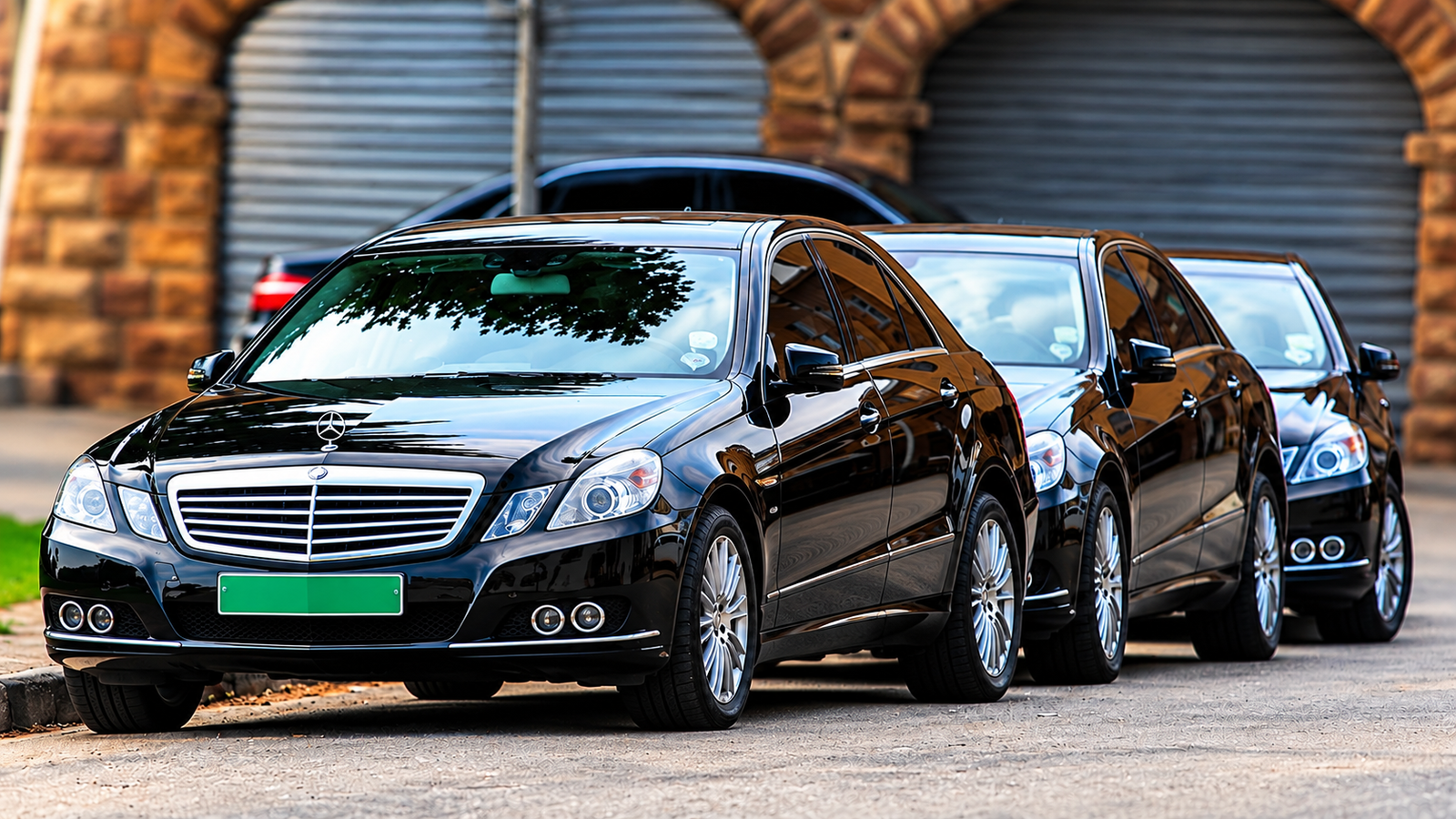
PM Approves Ban on Purchase of New Vehicles At Govt Level
Prime Minister Shehbaz Sharif has approved a complete ban on the purchase of new vehicles at the government level as part of a broader austerity and fuel-conservation campaign. The decision was taken during a high-level meeting chaired by the prime minister in Islamabad amid rising international petroleum prices and growing pressure on government expenditure.
According to the official announcement, the government has imposed a complete ban on the purchase of vehicles of all types. The measure forms part of a wider package aimed at reducing unnecessary government spending, conserving fuel and ensuring more prudent use of public resources. The restrictions also cover the procurement of durable goods, although IT-related equipment has been excluded from the ban.
The decision comes as Pakistan faces higher international oil prices amid tensions in the Middle East. The government has linked the austerity drive to the increase in global petroleum prices and the resulting inflationary pressures. Prime Minister Shehbaz Sharif said that sacrifices should begin with the government and the elite while measures are taken to provide relief to vulnerable and middle-income segments.
Alongside the vehicle purchase ban, the government has approved a 50 percent reduction in fuel allocations for official vehicles for three months. However, the fuel reduction does not apply to certain operational vehicles, including ambulances, fire brigades, law-enforcement vehicles and other essential-service vehicles. Administrative and non-operational vehicles, on the other hand, are subject to the reduction.
The government has also approved a 5 percent reduction in the Non-ERE Budget for fiscal year 2026-27. The measure is intended to reduce non-essential expenditure across government departments and related institutions. Foreign missions are also covered by the budget reduction, although essential expenses such as rent, education fees and medical arrangements will continue to be met.
Another major component of the austerity package is a temporary restriction on government officials' foreign travel. Overseas government visits have been suspended for three months, with limited exceptions. Where travel is considered unavoidable, senior government officials have been directed to travel in economy class.
The government has also encouraged greater use of video and teleconferencing for official meetings and restricted government-funded official dinners, seminars, training programmes and conferences. Necessary events are expected to use government-owned facilities instead of commercial venues.
The austerity package also includes restrictions on business timings. Shops, markets, shopping malls and other general business centres are required to close by 9pm, marriage halls and similar venues by 10pm, while restaurants, cafés and food outlets are required to close by 11pm, with several essential services exempted from these timings.
To monitor implementation, a committee has been tasked with collecting reports from ministries, departments, government organisations and provincial governments. The committee will identify non-compliance and implementation problems and submit weekly progress reports to the prime minister. The measures also apply to federal government attached departments, state-owned enterprises, statutory bodies and regulatory authorities.
The federal government has also asked provincial and regional governments to consider adopting similar fuel-conservation and austerity measures. The overall objective is to control public expenditure and conserve energy during a period of elevated fuel prices and economic pressure.
Reader feedback
Sign in to join the discussion.