Pakistan Raises Petrol Price by Rs12.90 Per Litre
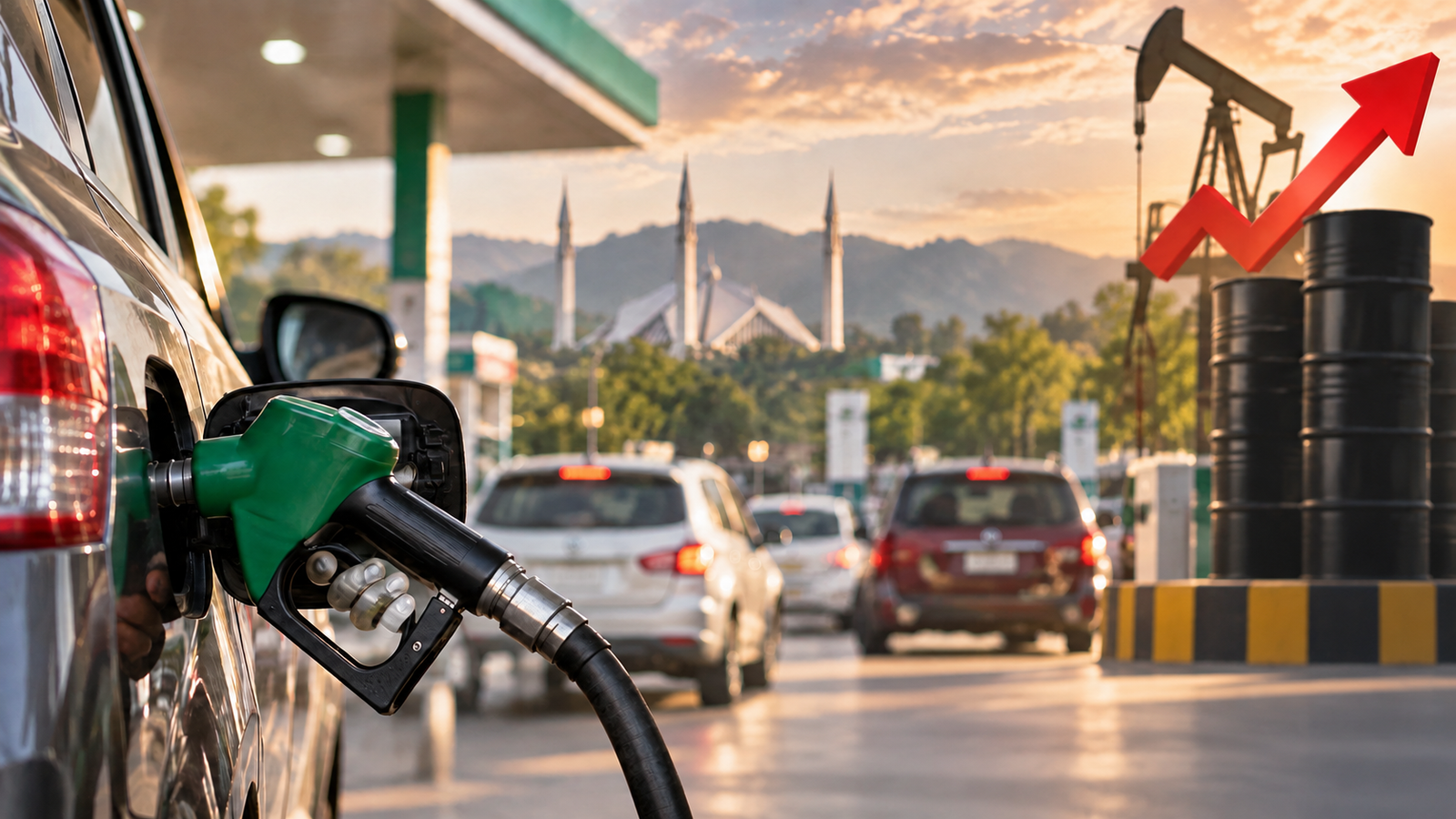
Pakistan Raises Petrol Price by Rs12.90 Per Litre
Pakistan has raised the price of petrol by Rs12.90 per litre, taking the new retail rate to Rs358.77 per litre from September 8, 2026. The government has also increased the price of high-speed diesel by Rs3.72 per litre, pushing the new HSD rate to Rs381.77 per litre.
The latest adjustment was announced through a notification issued by the Ministry of Energy’s Petroleum Division after the Oil and Gas Regulatory Authority revised ex-depot petroleum prices under the government’s current pricing mechanism. The new rates apply from Tuesday, September 8.
Before the latest increase, petrol was being sold at Rs345.87 per litre, while high-speed diesel stood at Rs378.05 per litre. The sharp Rs12.90 increase in petrol therefore represents a significant one-day jump for motorists already facing high transport and household costs.
Pakistan has been reviewing petroleum prices on a daily basis since July 2026. Petroleum Minister Ali Pervaiz Malik announced the shift after the federal cabinet approved a new mechanism designed to respond more quickly to changes in international oil markets. The government said the system would improve transparency by linking domestic fuel prices more closely with global market movements.
The latest increase comes amid renewed volatility in international energy markets. Reports have linked the rise in domestic prices to higher global petroleum rates as tensions between the United States and Iran continue to affect regional supply expectations and shipping risks around the Strait of Hormuz. Because Pakistan imports a large share of its petroleum requirements, changes in global oil prices can quickly influence local fuel costs.
According to figures reported from the Petroleum Division’s price structure, the ex-refinery import price of petrol rose from Rs235.42 to Rs248.32 per litre, an increase of Rs12.90. The corresponding import price for high-speed diesel increased from Rs271.18 to Rs274.90 per litre.
Government levies and fixed margins have largely remained unchanged in the latest revision. Petrol and high-speed diesel each carry a petroleum levy of Rs80 per litre and a climate support levy of Rs5 per litre. Dealer and oil marketing company margins are also included in the final retail price, along with customs duty and the Inland Freight Equalisation Margin.
The increase is likely to have a wider economic impact because petrol is widely used by motorcycles, cars and other private transport, while high-speed diesel is essential for heavy transport, agriculture and commercial activity. Higher diesel costs can affect the movement of goods across the country, potentially adding pressure to transportation expenses and the prices of everyday products.
Fuel prices in Pakistan have been highly volatile during 2026. Petrol had reached a peak of Rs458.41 per litre on April 3 after rising sharply from around Rs266 per litre in early March. High-speed diesel also climbed to Rs520.35 per litre in April before later declining.
The September 8 increase follows another short-term adjustment only days earlier. On September 4, the government reduced petrol by Rs3.13 per litre to Rs345.87, while raising diesel by Rs3.74 to Rs378.05. Under the daily pricing system, such frequent movements may continue as international oil markets change.
For consumers, the latest increase means higher immediate costs at filling stations and renewed concern about transport expenses. Future petrol and diesel rates will depend heavily on international oil prices, exchange-rate movements and the government’s daily petroleum pricing calculations.
The latest revision will be closely watched by commuters, transport operators, farmers and businesses, all of whom are sensitive to changes in fuel costs. With prices now being reviewed frequently, consumers may face quicker increases when global markets rise, but they could also benefit sooner when international prices decline. The government’s transparency commitments will therefore remain important.
(Dawn)
Reader feedback
Sign in to join the discussion.