Petrol Would Cost Rs 500-600 Today If Jamaat-e-Islami Had Not Protested,’ Hafiz Naeem
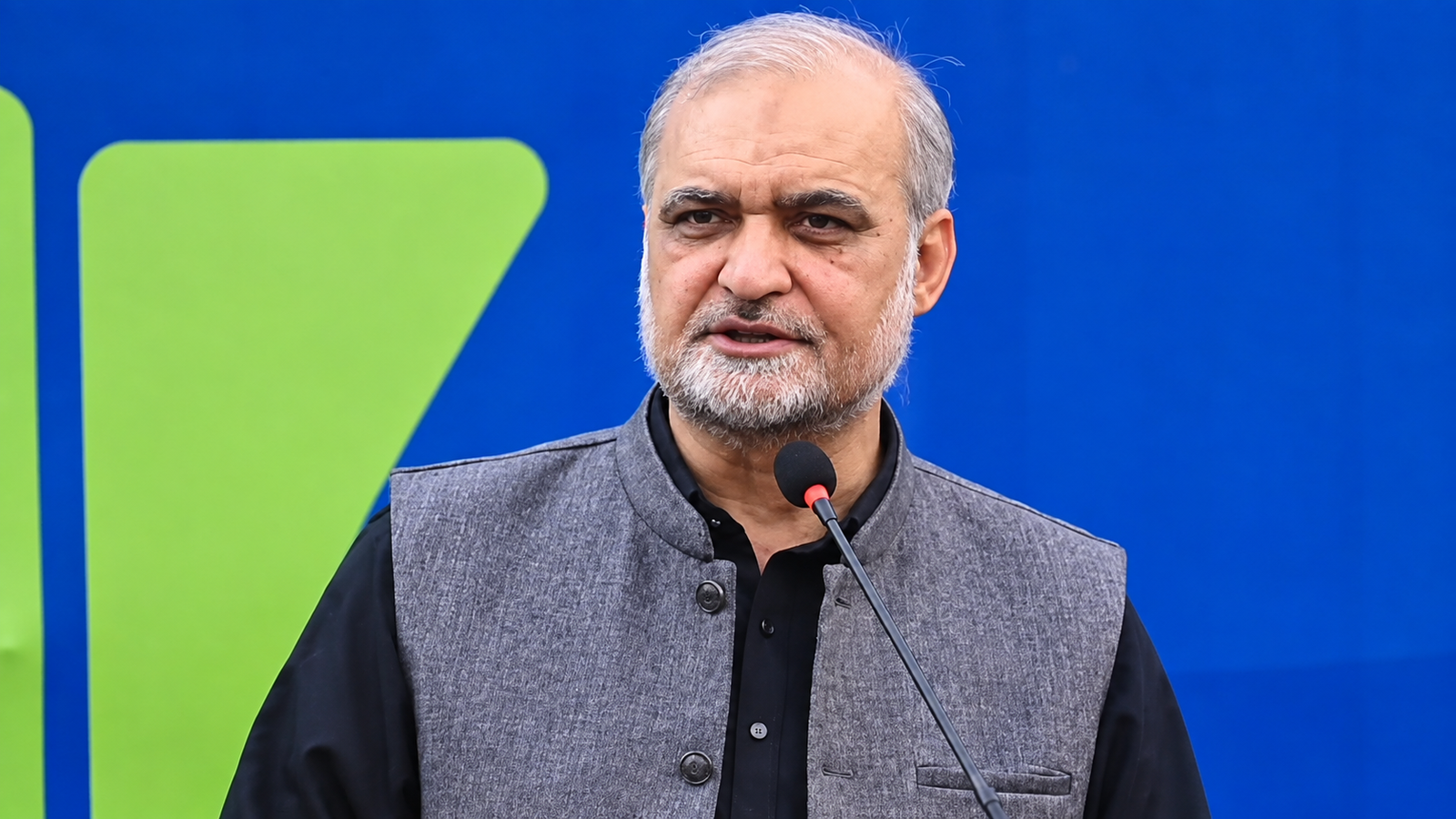
Jamaat-e-Islami (JI) Emir Hafiz Naeemur Rehman has highlighted the impact of his party’s protests against rising petroleum prices and the Petroleum Development Levy (PDL), claiming that petrol could have reached Rs500 to Rs600 per litre if the party had not launched its protest movement. His remarks come amid continuing public concerns over fuel prices, inflation and the rising cost of living in Pakistan. Jamaat-e-Islami has been demanding the withdrawal of the petroleum levy, arguing that the government should provide direct relief to consumers instead of placing additional financial pressure on ordinary citizens.
Hafiz Naeem's Statement on Petrol Prices
Hafiz Naeem has repeatedly criticised the government's petroleum pricing policy, particularly the taxes and levies included in the retail price of petrol. According to his position, the government's collection of substantial petroleum revenue has increased the financial burden on consumers.
The JI chief has argued that the party's sustained demonstrations and negotiations have forced the government to consider relief measures. He has also maintained that the party's campaign is focused on reducing fuel prices and addressing the broader economic difficulties faced by the public. The Rs500–600 figure is a hypothetical claim attributed to Hafiz Naeem, rather than an officially established petrol price forecast.
Jamaat-e-Islami's Protest Against Petroleum Levy
Jamaat-e-Islami launched a series of demonstrations and sit-ins in August 2026 against the petroleum levy, inflation and rising fuel prices. Protests were organised in major cities, including Lahore, Karachi and Peshawar, with additional demonstrations reported in other parts of the country. The party has demanded the complete abolition of the petroleum levy and called for a reduction in fuel prices.
Hafiz Naeem has also questioned the government's spending priorities, arguing that unnecessary government expenditure should be reduced to create room for public relief. During the campaign, JI demanded that petrol prices be brought down to Rs225 per litre, while also criticising the taxes imposed on petroleum products.
Government Relief Package and JI's Response
In September 2026, Prime Minister Shehbaz Sharif announced a fuel relief scheme offering Rs100 per litre relief to eligible motorcycles, rickshaws and vehicles with engines up to 800cc. However, Hafiz Naeem described the package as insufficient and reiterated that the petroleum levy should be abolished completely. Jamaat-e-Islami maintained that its protest campaign would continue despite the announcement of targeted relief. The party also held negotiations with government representatives over the petroleum levy, but its leadership continued to demand broader reductions in fuel-related taxes.
JI's Protest Movement to Continue
On September 23, Hafiz Naeem said the party's planned long march towards Islamabad had been temporarily paused following a request from Prime Minister Shehbaz Sharif. He clarified that the protest movement had not ended and that the party would decide its next course of action after further discussions with the government. On September 28, he reiterated that Jamaat-e-Islami would continue its campaign against the petroleum levy, expensive electricity and inflation.
He also indicated that the party could resume its long march from Multan if its demands were not addressed. The statement about petrol potentially reaching Rs500–600 per litre has brought renewed attention to the debate over fuel taxation, government revenue and the cost of living in Pakistan. While the figure remains a political claim rather than a confirmed projection, the issue of petroleum prices continues to be a central part of Jamaat-e-Islami's ongoing campaign.
The debate over petroleum prices has also raised questions about the government's taxation policy, public spending and its commitments to international financial institutions. Hafiz Naeem has urged opposition parties and the public to support Jamaat-e-Islami's campaign, while announcing a nationwide signature drive against the petroleum levy.
On September 27, 2026, he reiterated that the party's protests had only been postponed, not ended, and warned that a long march towards Islamabad could resume from Multan if the government failed to address its demands. The party has also called for reductions in electricity prices and relief from inflation. Meanwhile, the government faces the challenge of balancing revenue collection with the financial difficulties experienced by households, transport operators and businesses. The issue is expected to remain part of the national economic debate as negotiations and public demonstrations continue.
Reader feedback
Sign in to join the discussion.